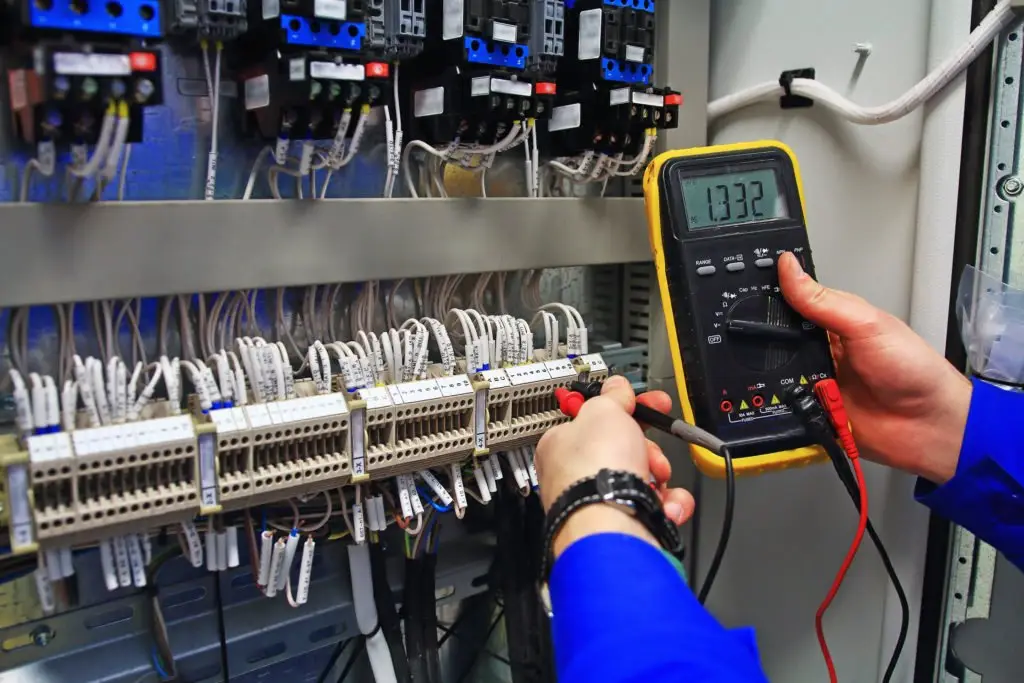
Most of the components of an electrical installation are out of sight. Consumer units are stowed in cupboards and cabling inside the walls for example. It’s easy for electrical equipment to be out of sight and out of mind.
However, no electrical system is immune to damage, wear and tear, with faulty wiring being one of the major causes of electrical fires in homes.
To keep your premises and the occupants safe, a regular EICR (Electrical Installation Condition Report, also known as Periodic Inspection & Testing), conducted by a suitably qualified electrician, is recommended – and in some cases (as for rental properties) it is a legal obligation.
How is an EICR carried out?
To complete an EICR a qualified electrician, registered with a competent person’s scheme, needs to check the condition of the electrics in your property against the British standard for the safety of electrical installations (BS7671).
In practice this means they’ll check on things such as:
Earthing and bonding capability
The condition, safety and efficiency of the fuse board and switches
The state of switches, sockets and light fittings
The condition and age of the wiring system
The existence or lack of labelling and notices on electrical equipment
The presence of any wear and tear, damage or deterioration
Any changes or additions to the electrical system
After working through a check-list and a series of tests (which can take four hours or more depending on the size of the property) the electrician will issue the landlord or property owner with an EICR which details any issues identified with the electrical installation that might be dangerous or potentially dangerous.
These issues could be things like overloaded electrical circuits, potential electric shock risks and fire hazards, defective DIY electrical work, and a lack of earthing or bonding.
Prestige Services’ highly trained gas safe registered heating and boiler engineers are best placed to advise you on the most suitable gas boiler for your premises.
Interpreting and acting on an EICR
The report you receive summarises the condition of the electrics in your home, recording the electrician’s observations and makes recommendations for improvements.
The EICR will rate the condition of your electrical installation with three classification codes:
Code C1 – indicates the need for immediate, urgent remedial work
Code C2 – deficiencies have been observed that need attention as soon as possible because there is a risk of danger
Code C3 – indicates improvements that could enhance the safety of the installation
If the report remarks that the condition of the installation is “unsatisfactory”, there will then be a list of “observations and recommendations for actions to be taken”.
When to have an EICR
Homeowners should have an EICR conducted every 10 years. It is also wise to have an EICR before buying or selling a previously occupied home – most mortgage and insurance companies will insist on it.
Business and commercial properties need an EICR every five years as part of their compliance with health and safety requirements and The Electricity at Work Regulations of 1989.
Landlords with tenants in accommodation (including HMOs) are bound by The Landlords and Tenants Act (1985) to ensure and maintain the safety of electrical installations at their rental properties. They need to have an EICR when tenants move in, and again every five years until the end of the tenancy. Tenants should be provided with a copy of the EICR before they move into a property, and within 28 days of any repeat or replacement inspection.
An EICR is a professional procedure made to ensure your safety at home and at work. It’s an investment worth making that could save lives and property.